Relaying, Re-Sanding, Cleaning & Sealing
Block Paving Repair & Restoration in Milton Keynes
Free site visit · Itemised written quote · No obligation
What goes wrong
Why Block Paving Sinks, Spreads and Stains
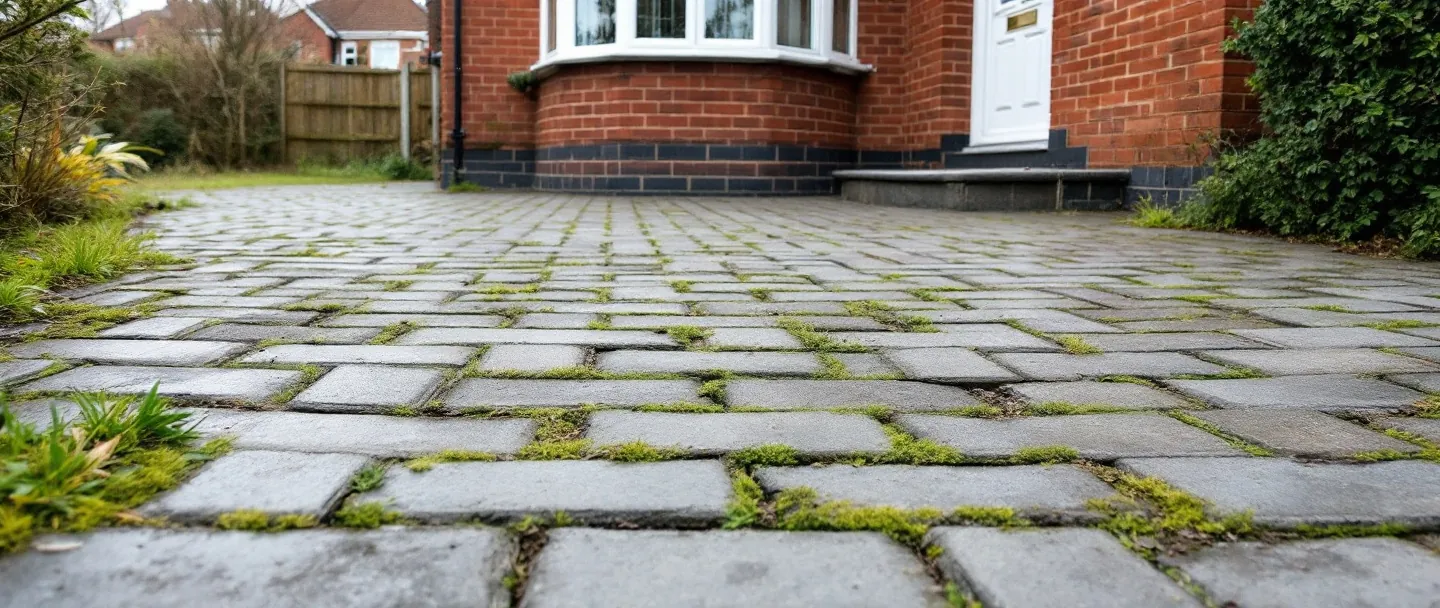
Most of the block paving we're asked to repair in Milton Keynes was laid in the 1990s and 2000s, much of it by developers on the estates of that era. It usually shows one or more of these problems:
- Dips and ruts where the car wheels go. This means the sub-base underneath was too thin or wasn't compacted properly.
- Spreading edges and open joints. The edge restraints have failed or were never set in concrete.
- Weeds and moss in the joints. The jointing sand has washed or been jet-washed out, leaving gaps for seeds.
- Rocking, cracked or stained blocks, from heavy vehicles, tree roots, or oil and rust.
The good news is that most of this can be fixed without replacing the whole drive.
Where we work
Covering Milton Keynes and Surrounding Towns
We repair and restore block paving across Milton Keynes and nearby towns:
Block paving
What We Can Fix
Lifting and relaying sunken areas
We take up the blocks, dig out the failed base, put in fresh compacted sub-base and relay the same blocks at the right level.
Replacing cracked or stained blocks
Damaged blocks are cut out and replaced with a matching block where it's still made, or a close match where it isn't.
Re-sanding joints
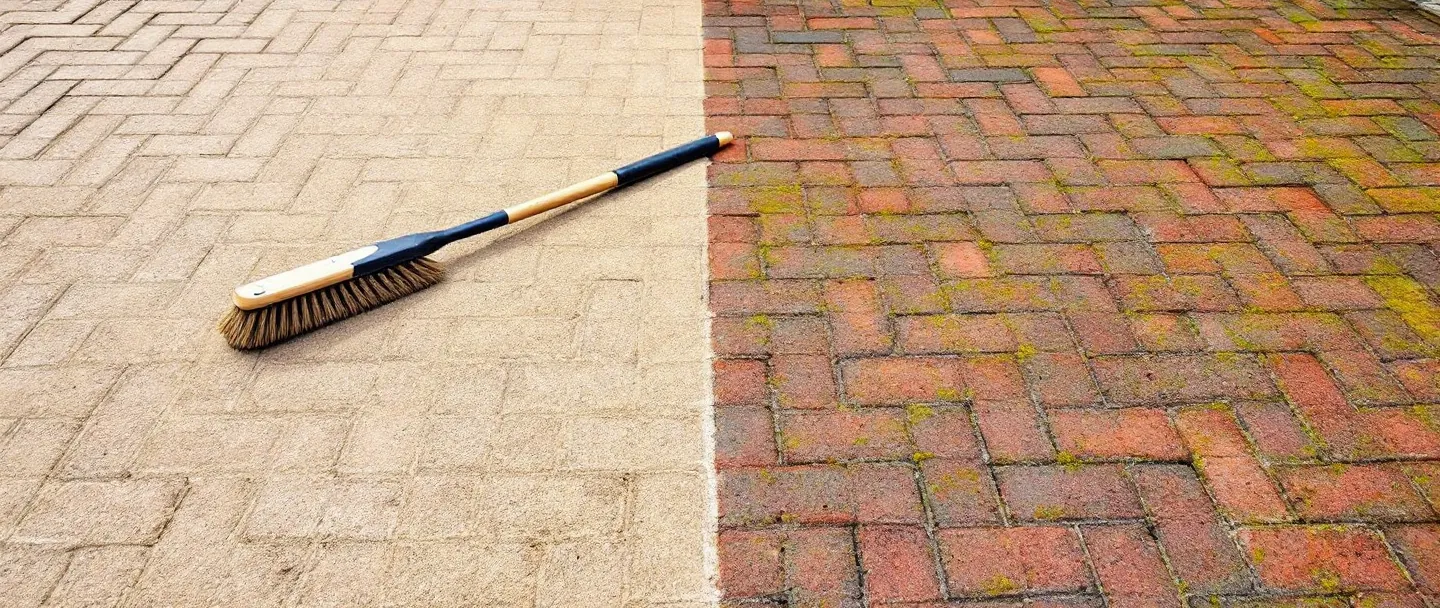
Fresh kiln-dried sand is brushed in and compacted, which locks the blocks back together.
Cleaning, weed and moss removal
A deep clean lifts years of dirt, moss and algae, and we remove the weeds roots and all.
Sealing
This is optional. A sealer can help bind the joint sand and resist stains. We'll talk you through the pros and cons first.
Fixing failed edges
We reset loose kerbs and edging blocks in concrete so the paving stops creeping outwards.
Prices
Block Paving Repair Prices
Repairs vary more than new drives, because no two failures are the same. These are typical starting points in Milton Keynes:
| Job | What's included | Typical time | Typical cost |
|---|---|---|---|
| Relay a sunken section | Lift blocks, rebuild base, relay, re-joint | 1 day | from £350 |
| Replace damaged blocks | Cut out and replace, re-joint | half a day | from £200 |
| Clean and re-sand (per m²) | Deep clean, weed removal, kiln-dried sand | 1–2 days | £5 – £10 per m² |
| Clean, re-sand and seal (per m²) | As above, plus sealer | 2 days | £10 – £18 per m² |
Indicative prices. Sealing needs a dry spell either side, so it's weather-dependent. Your price is confirmed in writing after a free look at the drive.
Sealing
Should You Seal Block Paving?
Sealing has its fans and its critics, and both have a point. A good sealer helps hold the jointing sand in place, makes oil and drink spills easier to clean and can bring out the colour of faded blocks. On the other hand, it isn't permanent. Most sealers need redoing every few years, some give a gloss finish that not everyone likes, and sealing a drive that hasn't been cleaned and dried properly can trap dirt and turn cloudy. On a drive that's dipping or rocking, sealing just puts off the real fix. Our advice is to sort the base and the joints first, then decide on sealing as an extra. We're happy to clean and re-sand without sealing if you'd rather not.
Not Sure If It's Worth Repairing?
Block paving
How a Repair Works
Look and diagnose
We find out why the drive has failed, not just where, so the repair doesn't fail the same way.
Honest recommendation
Repair, restore or replace. You'll get a written price for the option that makes sense, and we'll explain why.
The repair
Lifting, rebuilding and relaying, or cleaning and re-sanding, usually in one to two days.
Aftercare advice
How to keep the joints topped up and the weeds down, so the drive stays looking good for longer.
FAQs
Block Paving Repair FAQs
Can you match my existing blocks?
Often, yes. When we relay a section we reuse your own blocks. For replacements, many common blocks are still made, and where yours isn't we'll find the closest match or suggest a deliberate border.
Why are weeds coming through my drive?
Usually because the joint sand has gone, often after jet-washing. Seeds land in the gaps and take root. Re-sanding the joints and topping them up when needed is the long-term fix.
How often should block paving be cleaned?
For most drives, a deep clean every two to three years is plenty, with a brush and the odd top-up of sand in between. Very shaded drives under trees may need it more often.
Also available